 Farm Claratal
A working farm, run by one family.
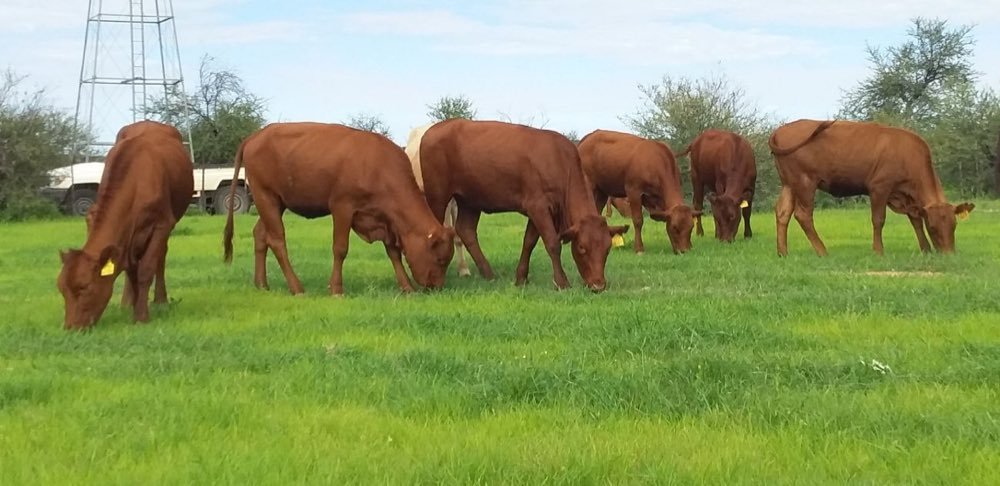
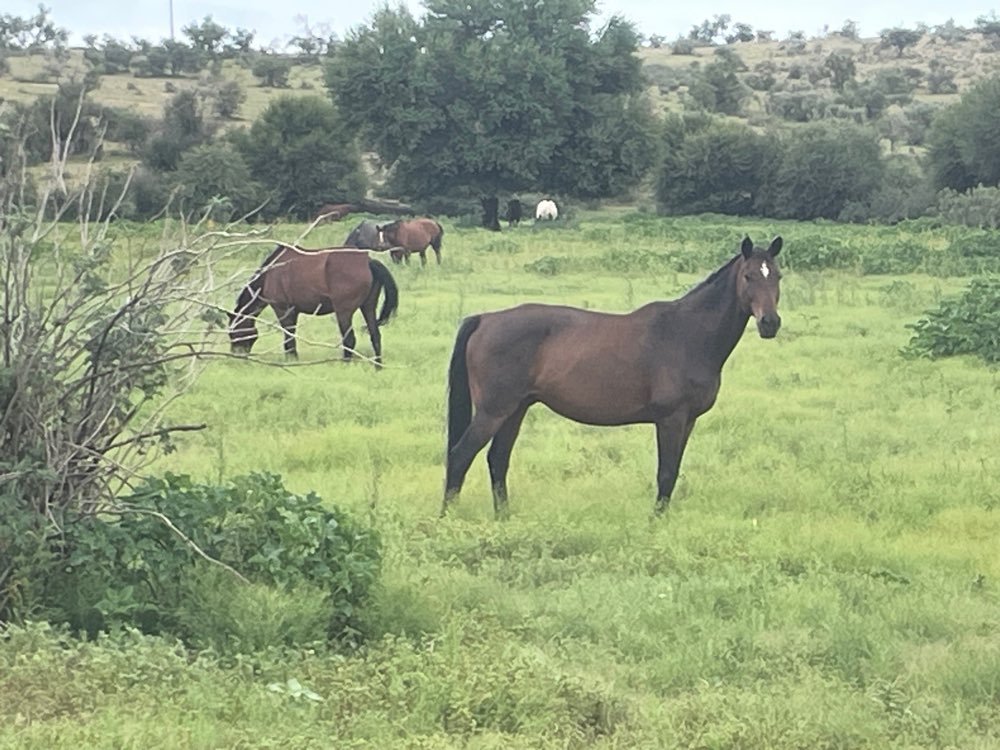
Claratal covers 16,000 hectares about 35 km southwest of Windhoek. The Freyers breed Bonsmara cattle and Trakehner sport horses, and share the land with campers, riders and researchers.
Claratal covers 16,000 hectares about 35 km southwest of Windhoek. The Freyers breed Bonsmara cattle and Trakehner sport horses, and share the land with campers, riders and researchers.
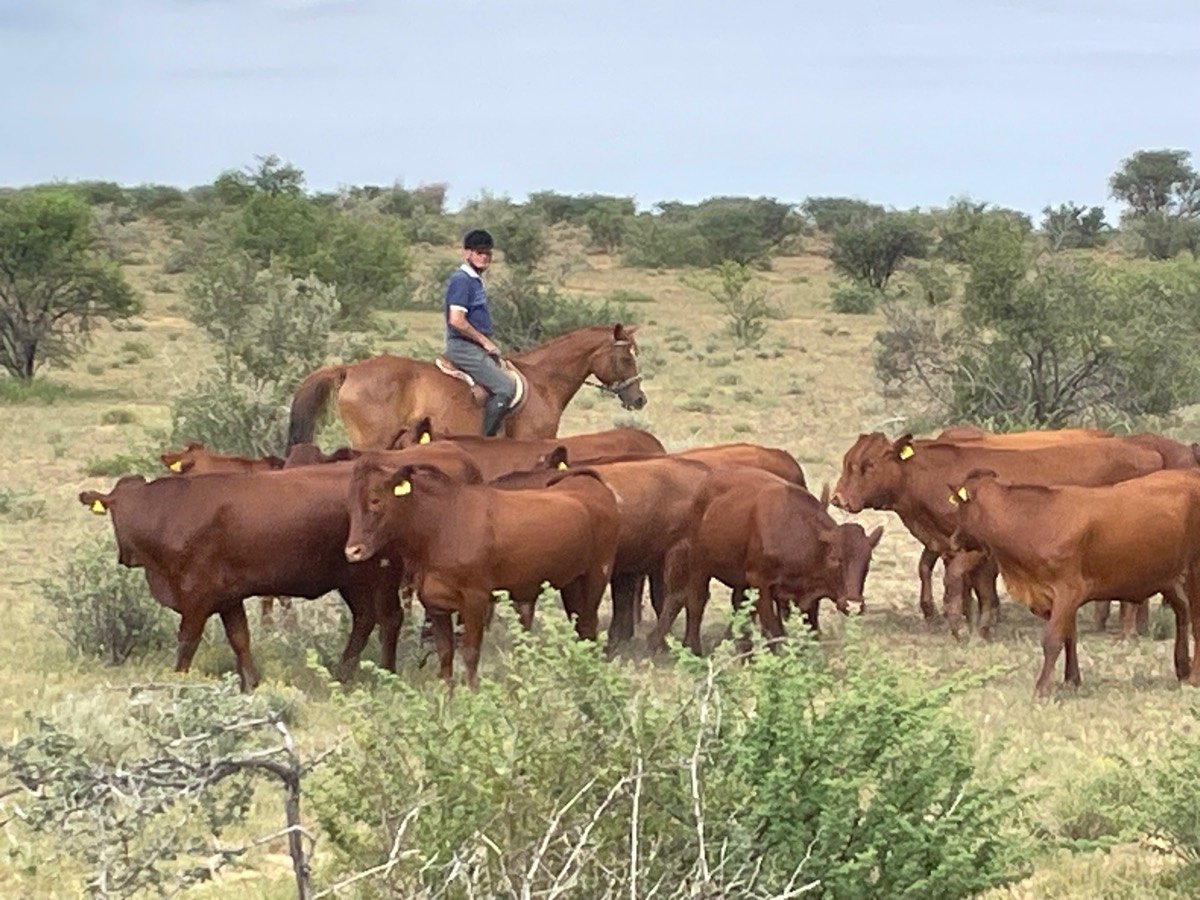
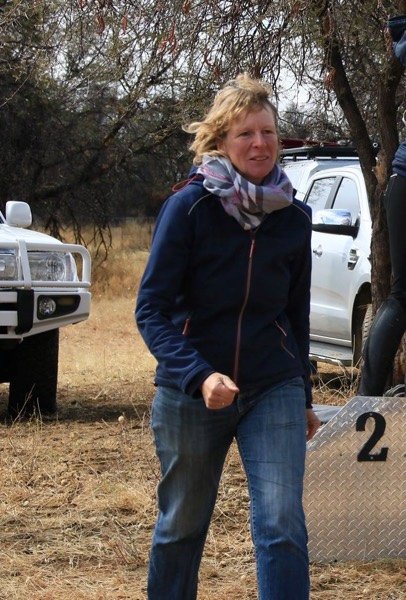
The good spirit. Annette takes the rides out.
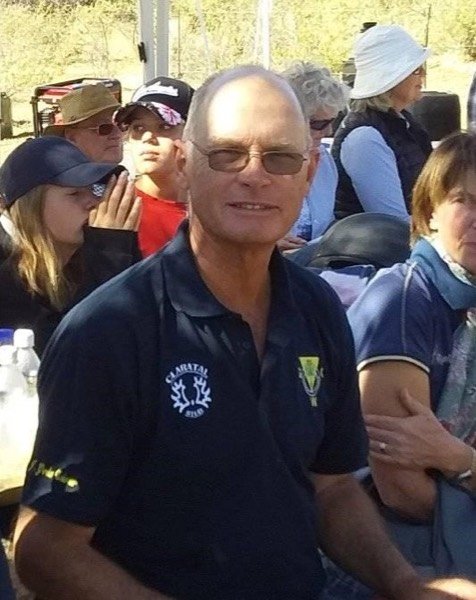
The Bonsmara whisperer. Heiko runs the herd and the stud.
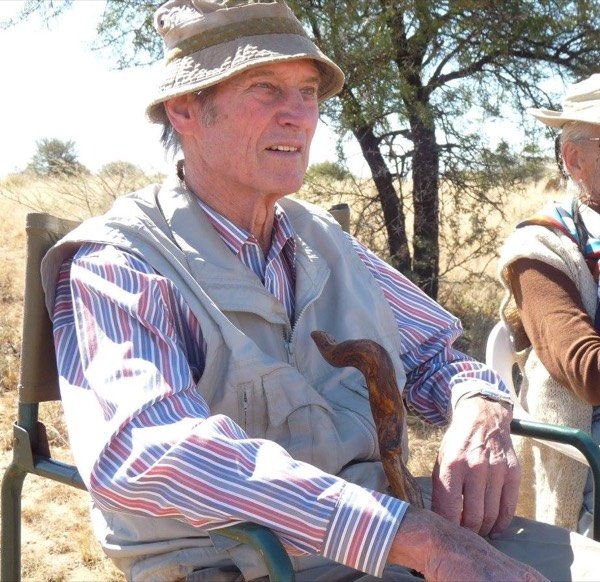
Oupa. He started the Bonsmara herd in 1976.
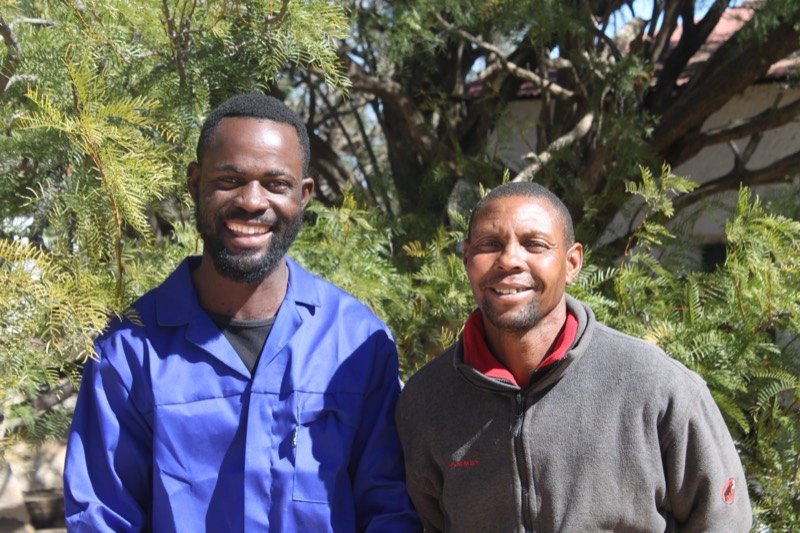
Always smiling.
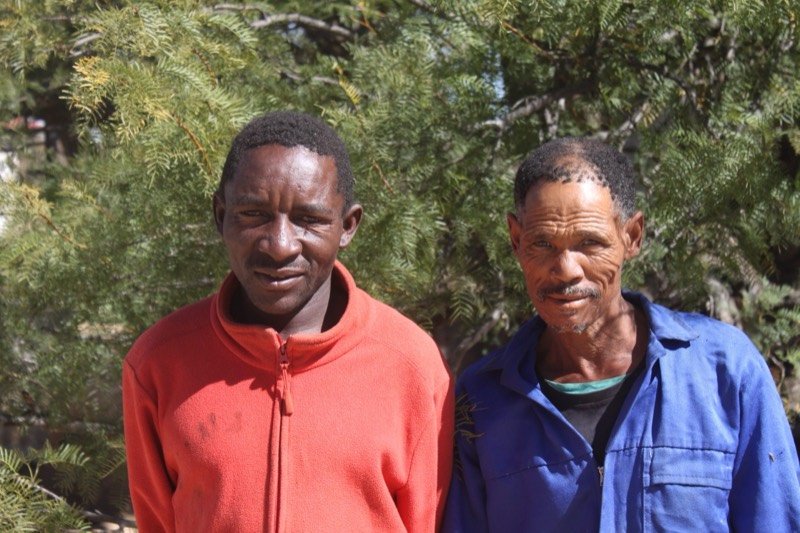
Proud tates.
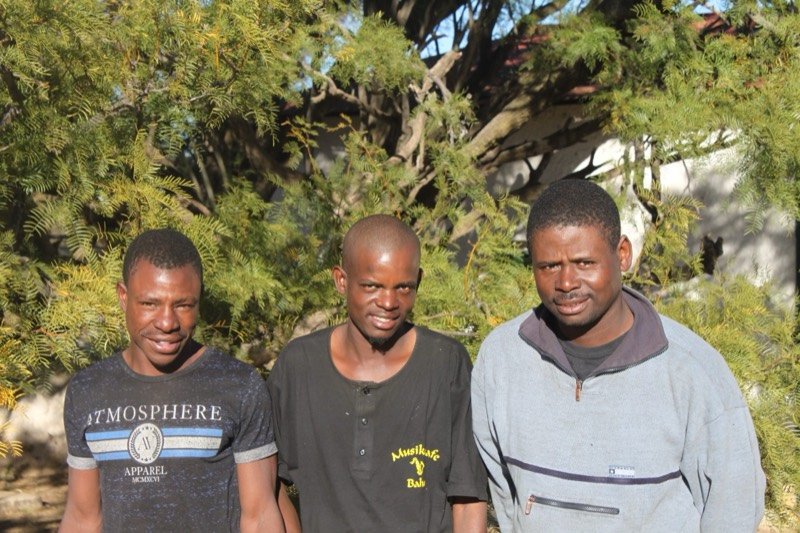
Always busy.
And the next generation: Malte the nature lover, Arne the bookworm, Linda who is horse mad, and Henner the action hero.
Long before it was a farm, the place was called Haris. Livestock dealers met here because of the well in the riverbed. It lay on the border between Herero and Nama land and was settled by neither.
The property was bought in 1896. Kurt Schmerenbeck later named it after his wife Clara: Claratal, Clara's valley.
The army and the settlers needed horses, and Haris was known to be free of horse sickness. Mares were brought from the Cape Colony, and two stallions from East Prussia set the type for years. The horses were known for their toughness.
From 1926 the owner, a keen racing man, imported Thoroughbred stallions from England and Germany. After 1975 the Thoroughbreds moved to Marienhof Stud, where the Trakehner stallion Königsruf stood from 1984 to 1991.
When Mr van Alten retired he passed the horses to the Freyer family, the new owners of Claratal. The Königsruf bloodline came home.
Ekki Freyer senior began breeding Bonsmara in 1976. His son Heiko helped from the 1990s and took over in 2013. Heiko is a member of the Namibian Bonsmara Breeders Association.
There are always Bonsmara cattle for sale. Call Heiko on +264 81 127 1602 or write to heiko@claratal.com.
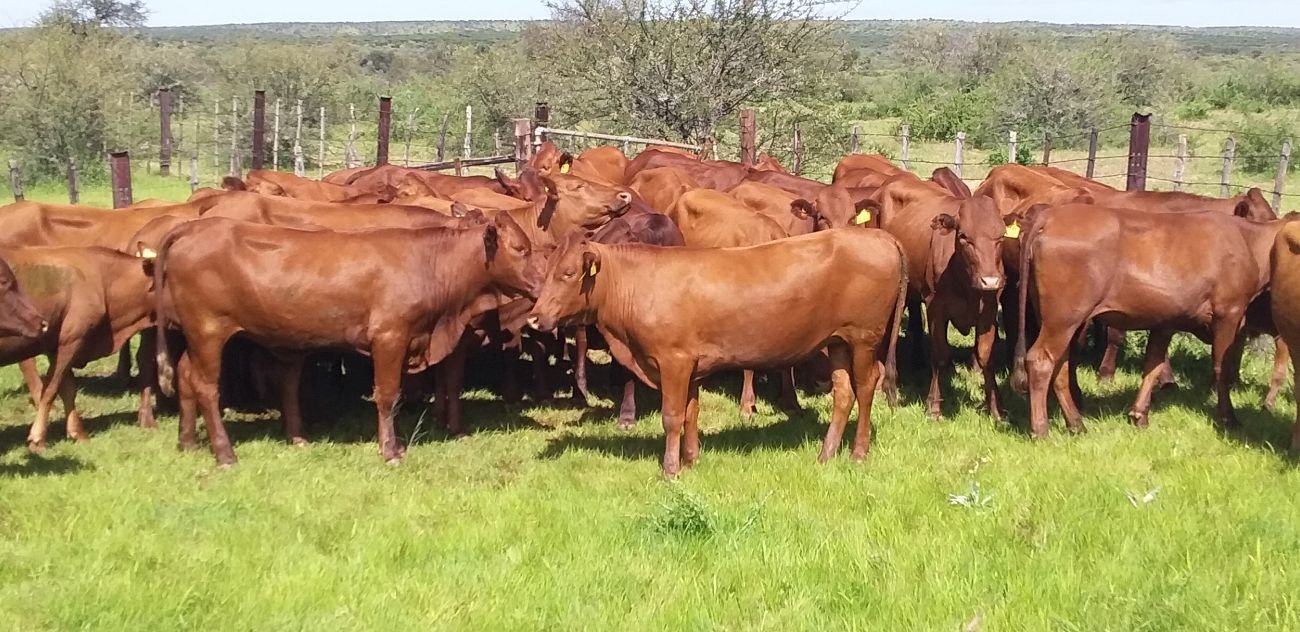
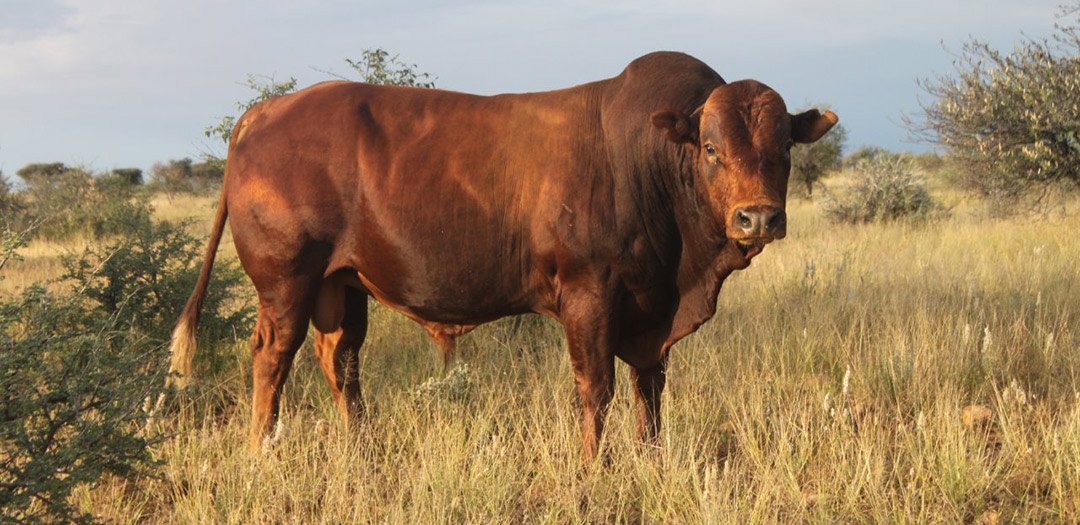
The Bonsmara comes from South Africa. From 1937 Professor Jan Bonsma tested crosses at the Mara research station to find cattle that could take subtropical heat and still calve regularly.
The result is five-eighths Afrikaner and three-eighths Hereford or Shorthorn. The name joins Bonsma and Mara. Within 25 years it became the most numerous beef breed in South Africa.
The stud breeds Trakehner sport horses. The Trakehner is the oldest of the warmblood breeds: keen, alert, intelligent and quick to learn, yet patient under concentrated work.
Many Claratal broodmares carry the moose antler brand. Their pedigrees include Bartholdy, Königsruf, Seducer xx, Moss Cable xx, Military Song xx and Atty Pesse xx.
Two imported, fully licensed Trakehner stallions stand here: Bellini Go, by Maizauber, and Tanzpartner, by Schiffon.
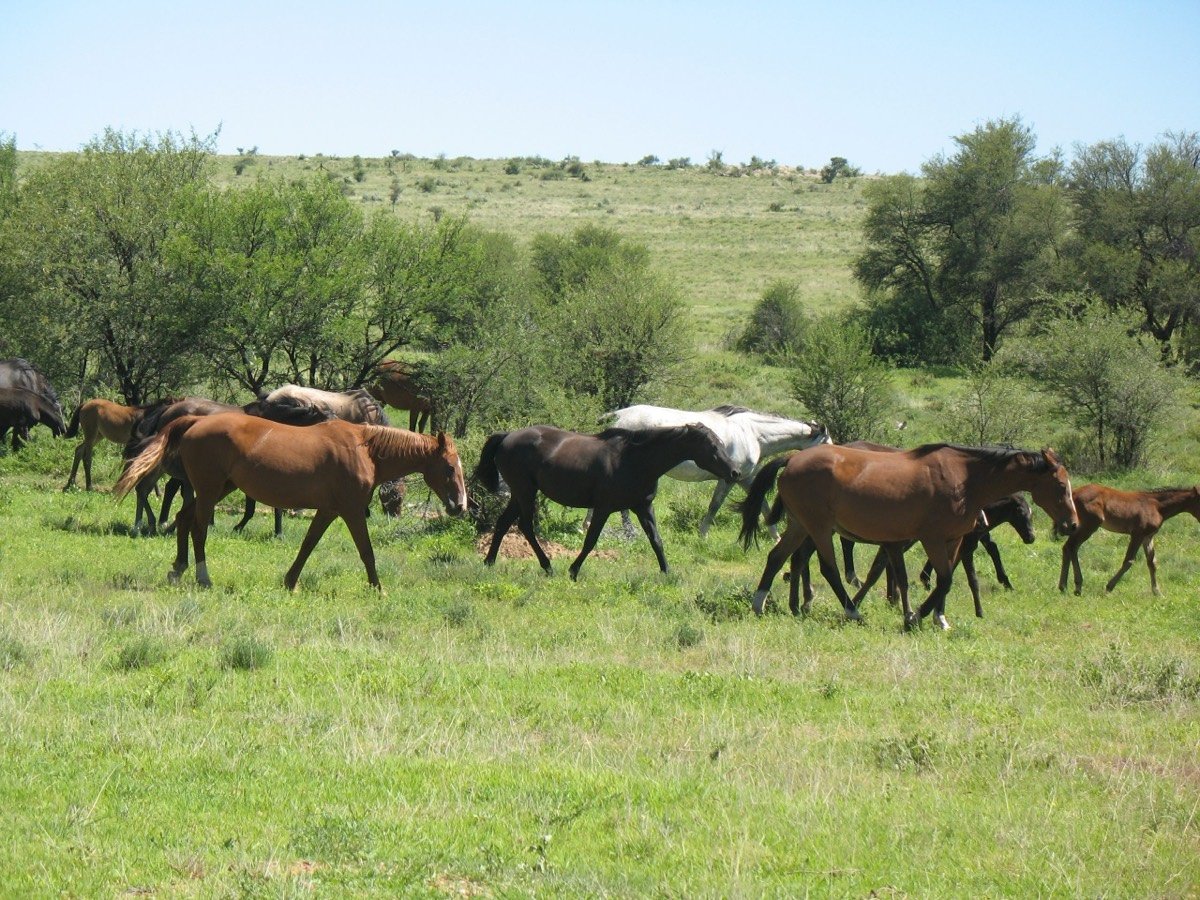
We work with Gestüt Vogelsangshof, Gestüt Gorlo, Gestüt Elmarshausen and the Haupt- und Landgestüt Marbach in Germany to bring new Trakehner lines to Namibia by artificial insemination. Sires in the programme are Bel Espace, Sir Chamberlain and Enim Pascha.
Inspectors from the German Trakehner Verband visit every year to register the foals and inspect the mares. Claratal in Namibia and Larane in South Africa are the only studs in Africa with lifetime licensed, approved Trakehner stallions.
In 1732 King Friedrich Wilhelm I of Prussia gathered the best horses from seven royal farms at the new stud of Trakehnen. He wanted a cavalry horse that was handsome, sound and comfortable over long distances.
Trakehners won Olympic gold in dressage and eventing in 1936. In the winter of 1945 breeders fled west with their mares in what became known as the Trek, and the breed was rebuilt from the few that survived.
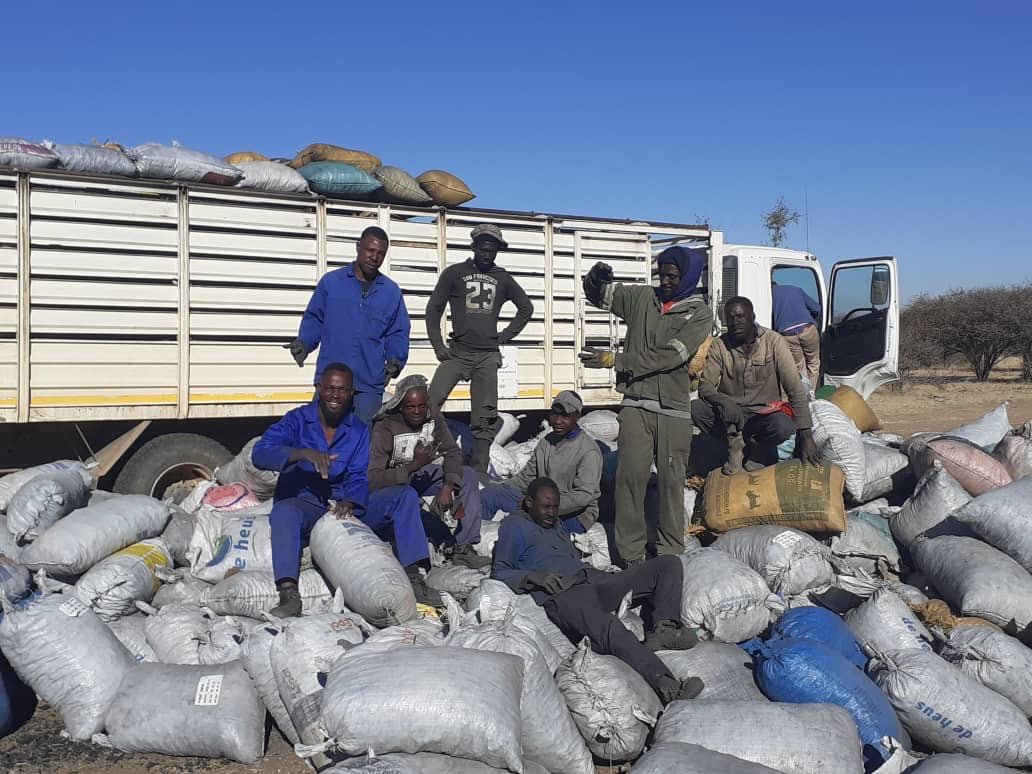
Like much of Namibia, Claratal has too much bush. Thorn bush crowds out the grass, takes scarce groundwater and reduces grazing.
Gideon's crew harvests the invading bush and burns it in kilns. That clears the savannah, brings in income and creates jobs. In 2020 the team made 36 tons in just over two months.
The farm began FSC certification in 2019 through the Jumbo Charcoal group scheme. Certification includes a check of the workers' accommodation. We do not use chemical pellets to kill bush.